A cross between road cycling and mountain biking, gravel cycling has established itself as a different way of tackling the terrain: freer, more exploratory, and less constrained by traditional cycling infrastructure. At the crossroads of these disciplines, it prioritises the route over pure performance, transforming every ride into an exploration of the landscape.
It started in the United States on isolated roads and unpaved tracks, and the discipline has taken shape internationally in recent years, notably with the creation of the UCI Gravel World Series, which marked its transition from a leisure activity to a recognised discipline.
In Crans-Montana, gravel cycling has found a terrain that does more than simply accommodate the sport: it showcases it.
Here, the routes do not follow a single type of landscape, but link together several distinct worlds. Wine routes, forest tracks, mountain villages and high-altitude passes come one after another in a single continuous ride. The landscape unfolds gradually, from the vineyards of the Rhone valley to the mountain pastures of the Haut-Plateau region.
This topographical continuity gives gravel a unique dimension: that of a journey, rather than a mere route.
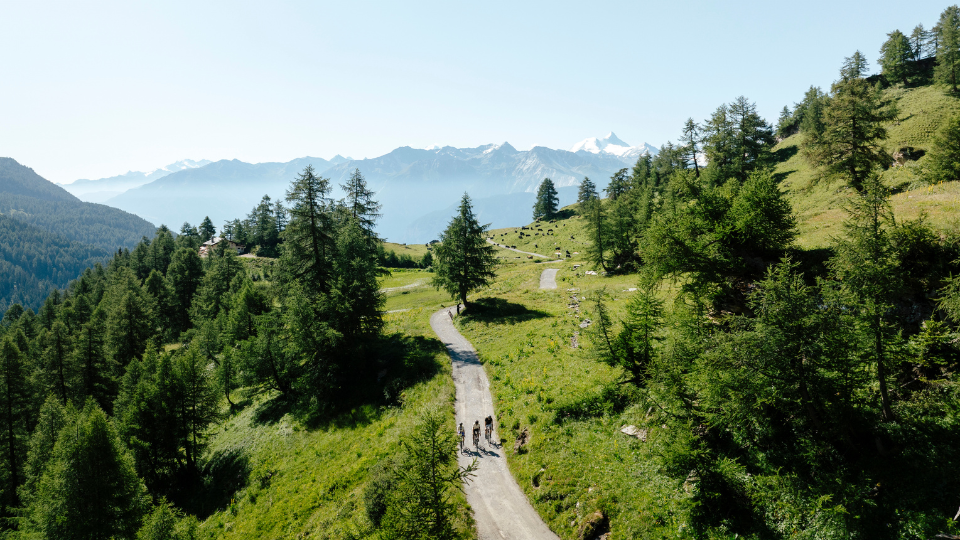
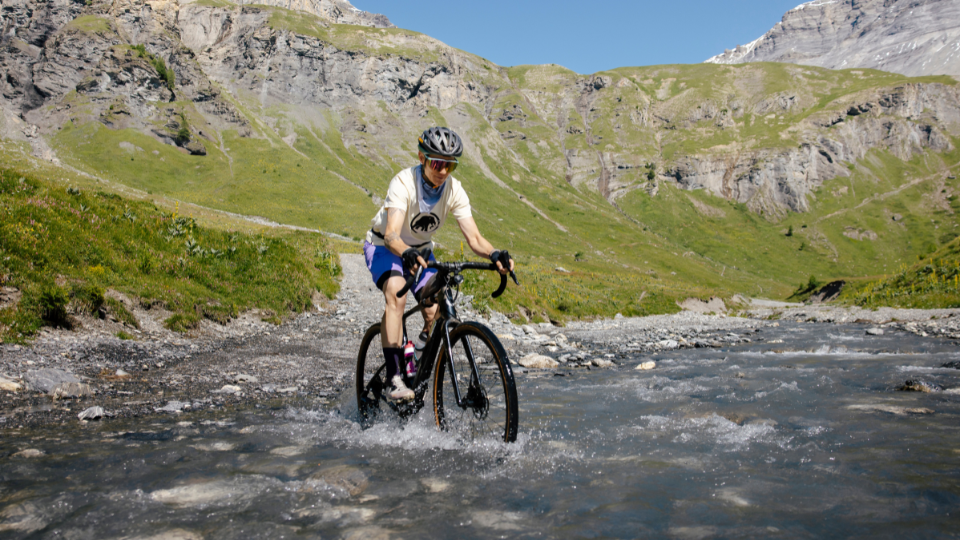
Gravel cycling unfolds here in a landscape of striking contrasts, where routes flow seamlessly from the vineyards of the Rhone Valley to high-altitude forests and alpine pastures. The diversity of the terrain offers an experience that is both accessible and exploratory, where every ride provides a fresh perspective on the region.
The destination is offering three new major gravel routes – Miriouges, Aminona and Louché – available in several variations and distances, making a total of seven routes. This structure caters to different levels of ability and a variety of exploration preferences, from accessible rides to more challenging adventures.
The Aminona Gravel loop, available in 17, 23 and 30 km formats, is the route that climbs in altitude. It gradually takes you from the plateau to the pastures, following the Tsittoret bisse (irrigation channel) in places, before encountering sweeping views of the Rhone Valley and the surrounding peaks.
The Miriouges Gravel loop, available in 9 and 15 km versions, offers a gentler exploration of the area. Between Crans-Montana and Lens, it favours a more accessible pace, taking in lakes, villages and quiet paths, with a focus on contemplation rather than sport.
The Louché Gravel loop, available in 29 and 34 km versions, is designed for a more challenging ride. Longer and more demanding, it forms a comprehensive route around Crans-Montana and Lens, where the physical exertion, varied terrain and scale of the route take centre stage.
Beyond these routes, gravel cycling also allows you to extend your explorations to neighbouring villages and the valley vineyards, linking farm tracks and forest paths that open up the sport to longer and more unrestricted rides.
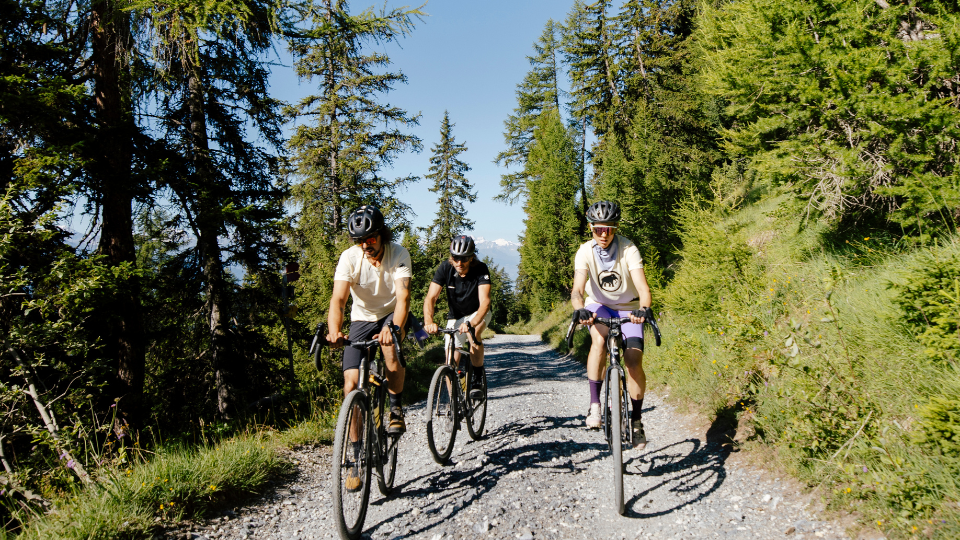
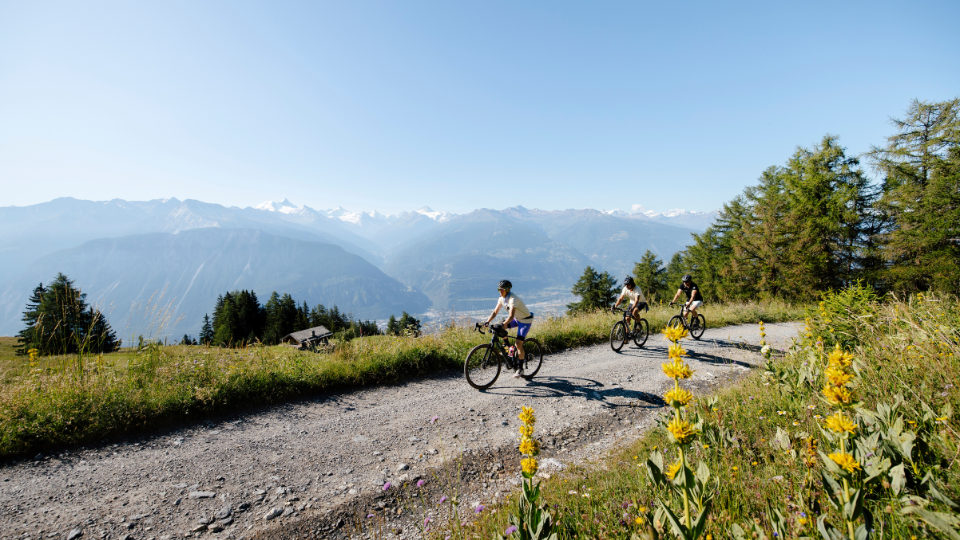
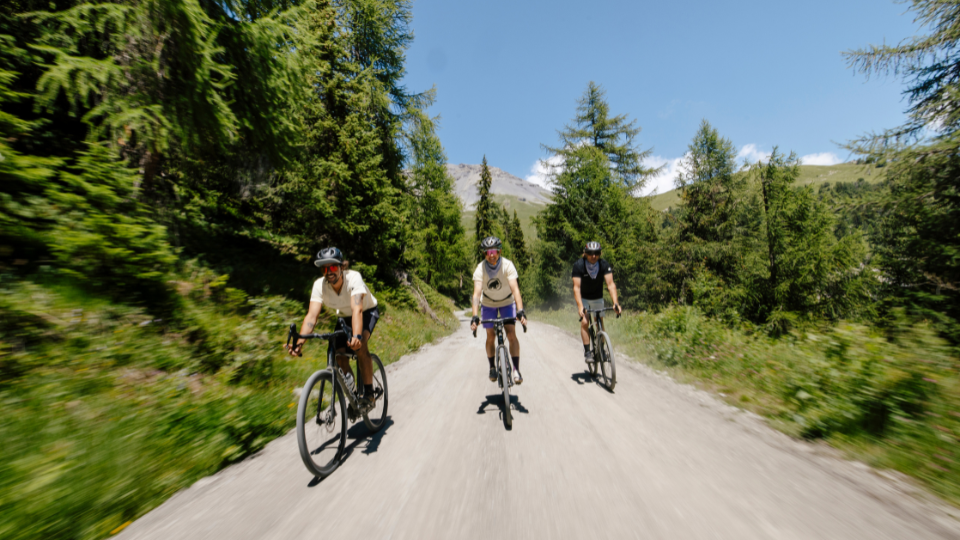
Gravel cycling in Crans-Montana is also represented by ultra-distance events, of which the GRAAALPS (14 to 19 July 2026) is one of the major highlights.
This ultra-distance event embodies the spirit of the discipline: self-reliance, endurance and continuous movement over several hundred kilometres. It also positions the destination as a waypoint and starting point for routes that extend far beyond the local area.
More than just a trend, gravel cycling fits naturally into the very fabric of the Crans-Montana landscape. Its ethos of free movement aligns perfectly with terrain where the transitions between the valley floor and the mountains are rapid, continuous and visible.
It is this harmony between the sport and the terrain that explains its rapid growth in the region.


.png&vi_l=800&vi_h=600)
.png&vi_l=333&vi_h=248)


.png&vi_l=333&vi_h=248)


