Despite its name, which suggests a lifeless landscape, Plaine Morte offers one of the most breathtaking panoramas in the Alps. At an altitude of nearly 3,000 metres, this vast plateau, covering more than 7 km², forms an astonishing, almost flat sea of ice, suspended between Valais and the canton of Bern. In places, it is up to 200 metres thick, and its meltwater feeds the Lenk Valley in the Bernese Oberland as well as the Rhone in Valais.
Serving as a year-round playground, a scientific observatory and a witness to ongoing climate change, Plaine Morte offers an extraordinary alpine experience.
Despite being almost 3,000 metres above sea level, Plaine Morte is still very easy to access. From Crans-Montana, the Violettes cable car and then the Funitel take you up to the glacier – the highest point in the ski area – in around 30 minutes. In summer, the more adventurous can also hike up there.
At the summit, the Plaine Morte restaurant – the highest in the ski area – serves fondues and other Valais specialities in an exceptional setting, with 360° views of the Alps, from Mont Blanc to the Simplon. It can seat up to 100 people indoors and the same on the terrace, and can be accessed by both skiers and walkers.
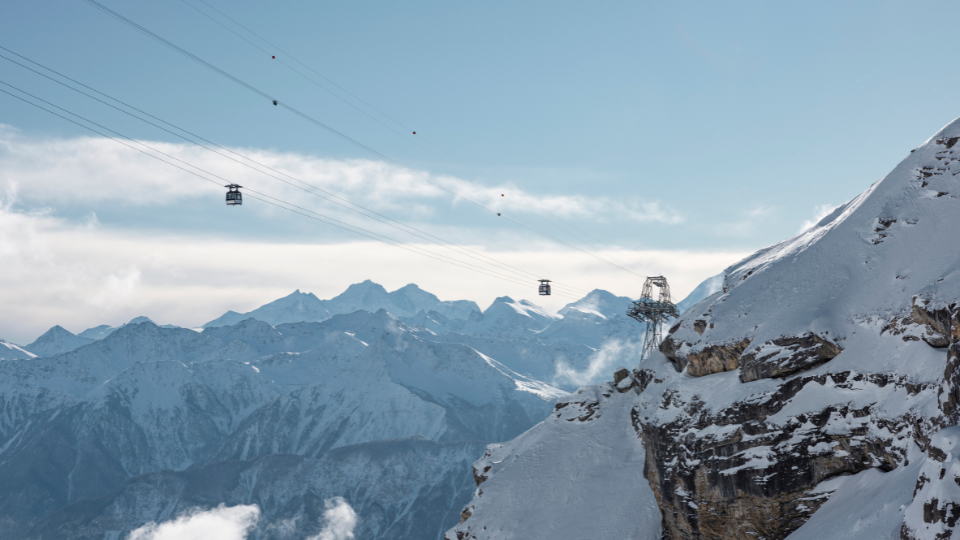
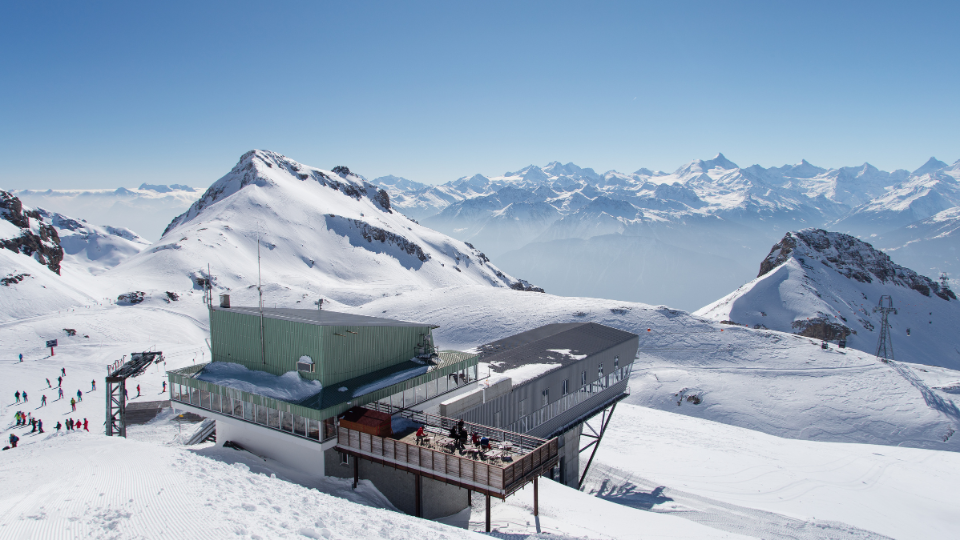
In winter, the Plaine Morte stands out as it is an exceptional playground. Skiers set off from the summit of the glacier for an 8-kilometre descent down the legendary Kandahar run. It was here that the Roberts of Kandahar Challenge Cup was held in 1911, considered to be the first ski race in the history of winter sports.
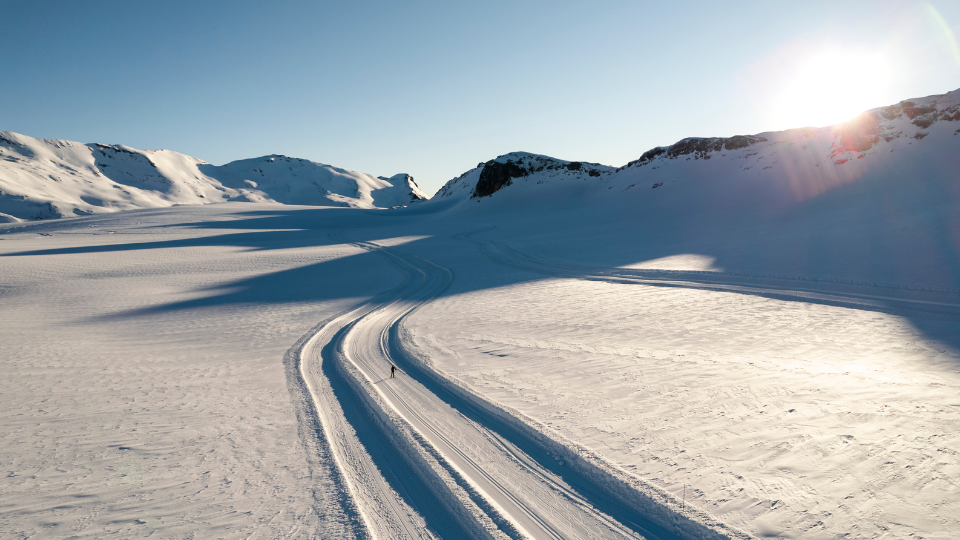
The glacier is also home to one of Switzerland’s most unique cross-country ski trails. Mapped using a GPS on the snow groomers, the route has been traced in the shape of a butterfly in recent years, which is visible from the Funitel arrival point, and its wings correspond to loops of varying levels of difficulty. This training ground is popular with top-level athletes, including Valais-born Olympic cross-country skier Candide Pralong, who describes it as his favourite track out of all the glaciers that he has trained on during his career.
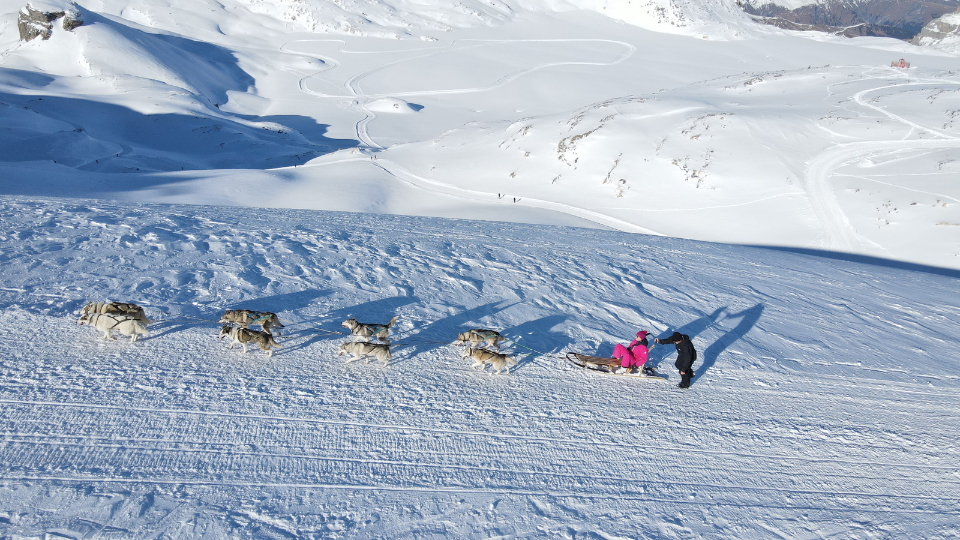
Among the range of winter adventures awaiting mountain lovers, snowkiting enthusiasts make the most of the high-altitude winds, whilst snowshoe trails offer a quieter immersion in the landscape. A dog sled ride is also available, guided by a musher through the magical scenery of the glacier. And for those who would like to experience a moment out of time, sunrise excursions allow you to welcome the dawn against the backdrop of the Alpine peaks before heading to the restaurant for a gourmet breakfast.
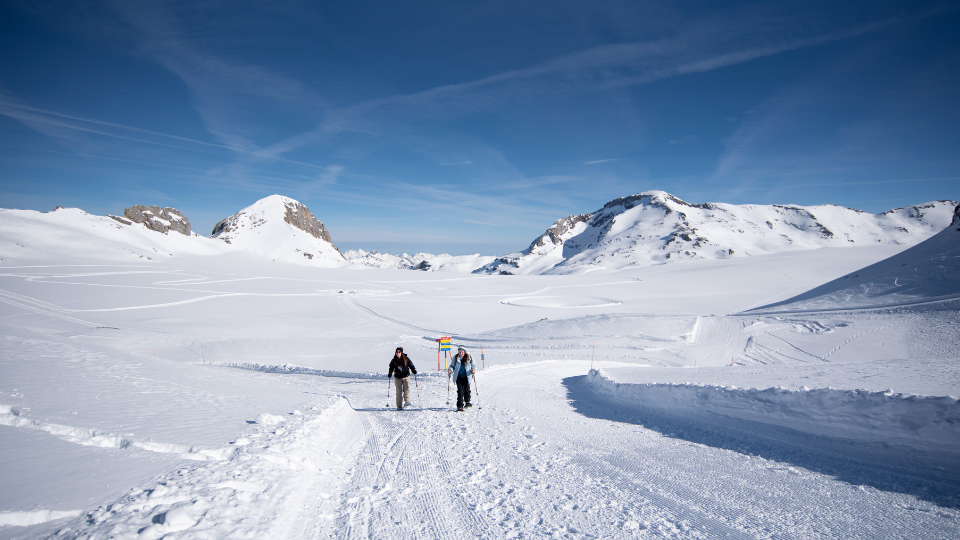
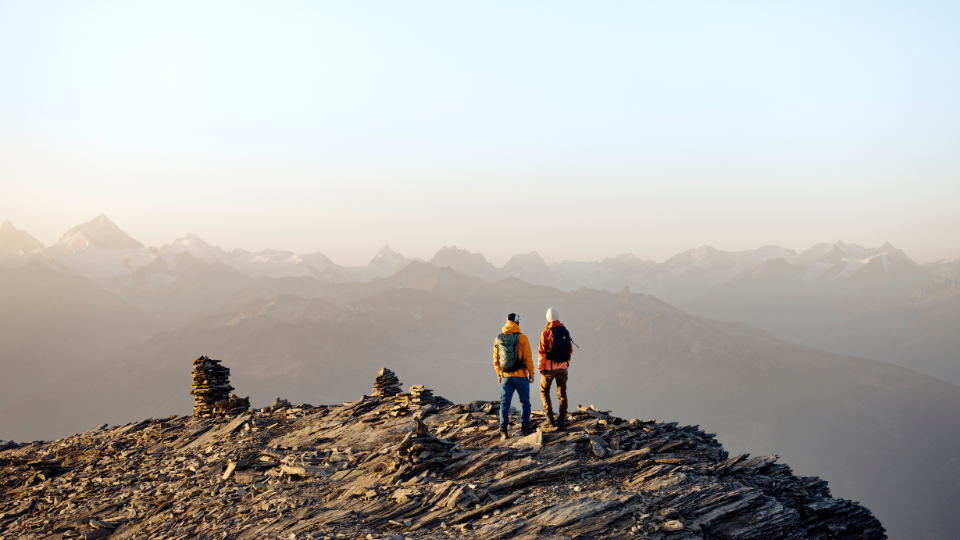
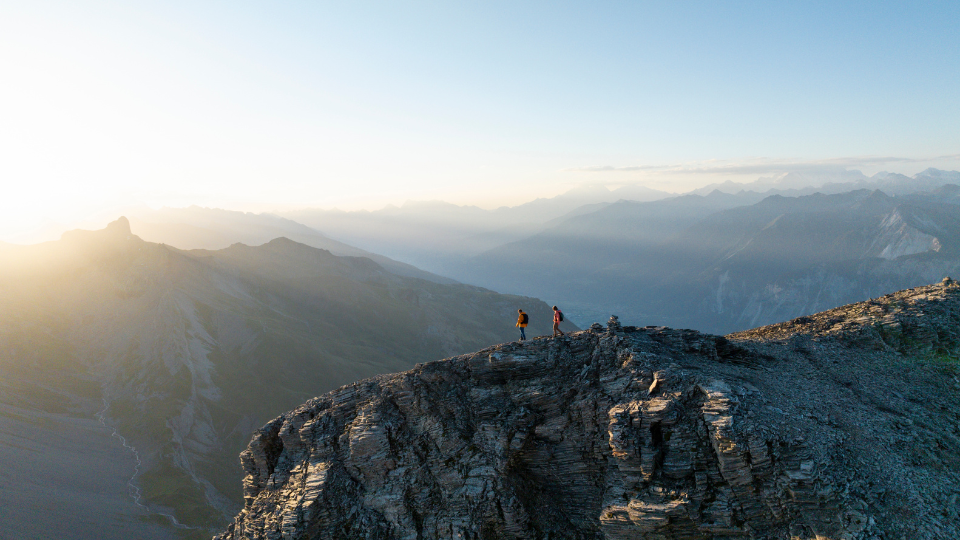
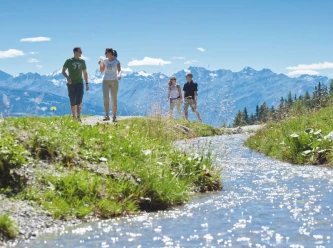
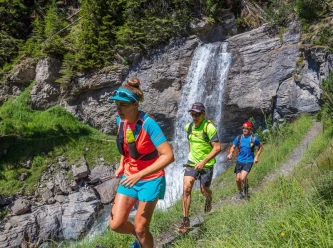
In summer, Plaine Morte reveals a different side. Stripped bare when its winter snow melts, the glacier becomes a lunar landscape. Several marked trails allow you to explore it, including the Sentier de Huiton, which descends to an emerald-green mountain lake before reaching the Cabane des Violettes, or the route to the Cabane du Wildstrubel, which crosses the glacier and offers panoramic views of the Valais and Bernese Alps.
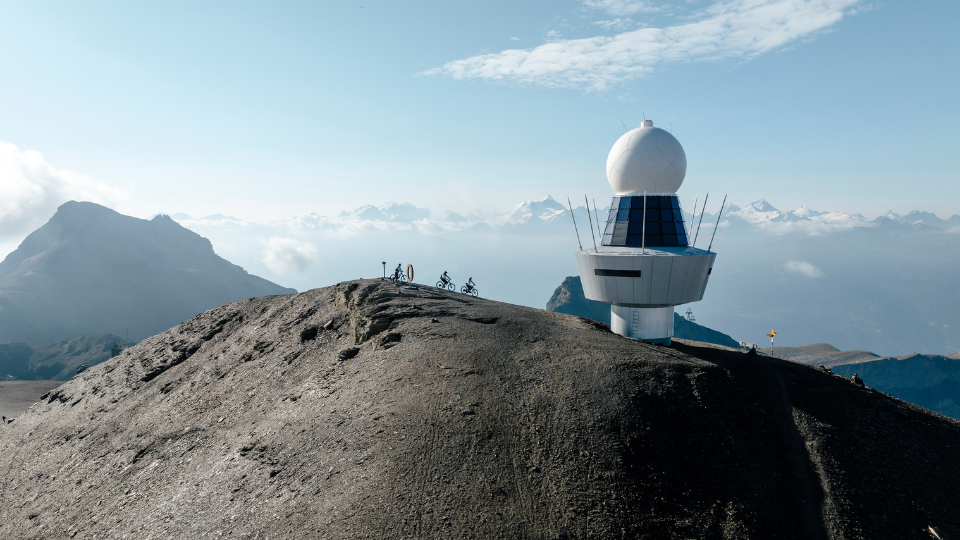
For seasoned mountain bikers, the spectacular new Plaine Morte Bike route takes in a variety of terrain and alpine landscapes, with a descent of nearly 3,000 metres down to Sierre. Reserved for experienced riders, part of the route has also hosted a stage of the Enduro World Series.
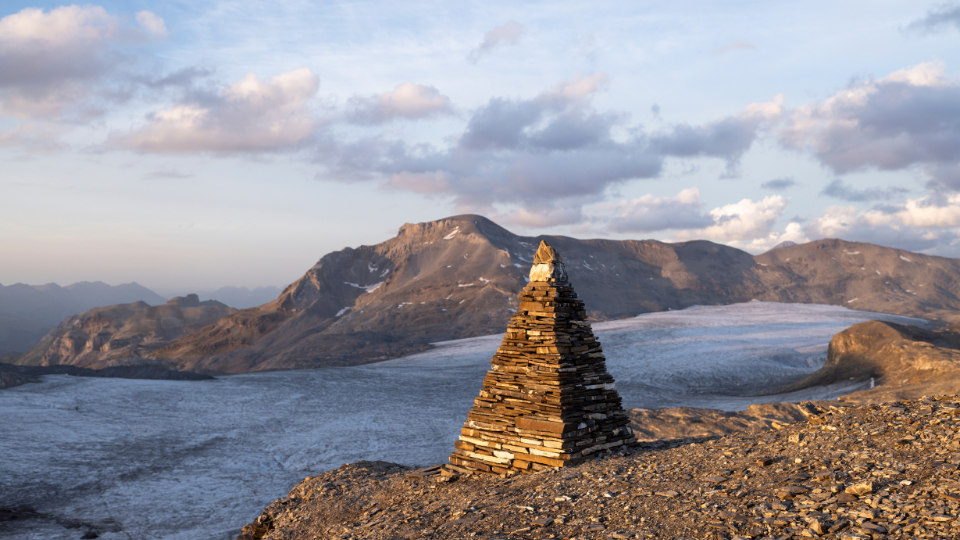
The Trail of Another Time, which is marked by cairns, invites a completely different form of contemplation. As you walk along the edge of the glacier, it confronts the walker with the scale of geological time and the reality of ice that is tens of thousands of years old. A silent reminder that Plaine Morte is also a landscape undergoing constant change.
A local legend tells that Plaine Morte was once such a fertile mountain pasture that the cows were milked there three times a day. Geographers know this is impossible, as ice has covered the area for at least a hundred thousand years. But what is a myth today could well become reality: the glacier is disappearing.
Since 1960, it has lost nearly a third of its surface area, shrinking from 11 to just over 7 km². In 2025, its thickness decreased by an average of two metres in a single year, at a time when Swiss glaciers have lost a quarter of their volume in ten years. If the melting continues at this rate, scientists estimate that the glacier could give way to several mountain lakes. A silent witness to global warming, the Plaine Morte thus embodies the profound transformations reshaping the Alps.
The Plaine Morte is a Bernese glacier which can be accessed from Valais. This unique geographical feature has naturally brought the two regions closer together: the watershed acts as a border between the two cantons, and shared challenges – starting with the management of Lake Faverges, whose meltwater feeds the Simme near Lenk every year – have led the two regions to coordinate their responses.
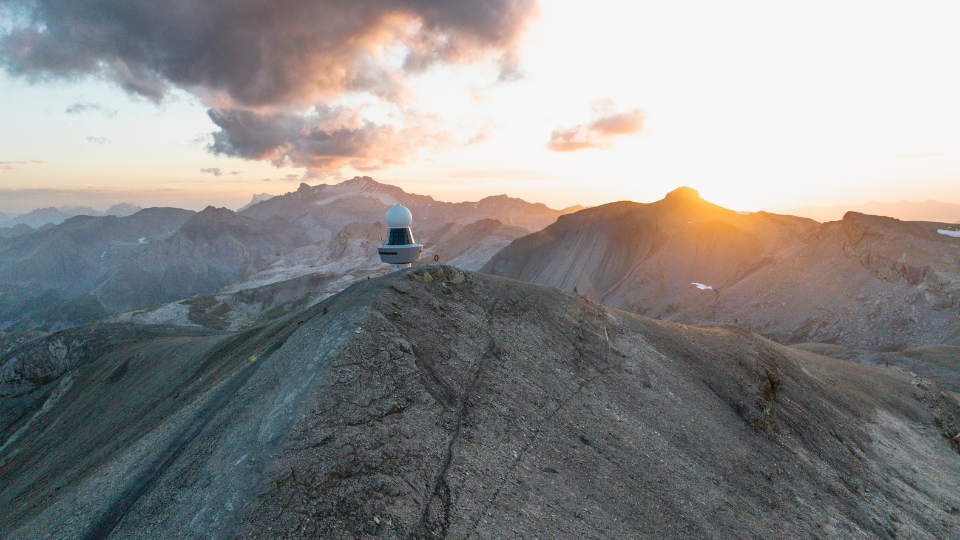
La Plaine Morte is not just a playground or a landscape to admire: it is also an exceptional natural laboratory. Since 2014, a MeteoSwiss weather radar has stood atop the Pointe de la Plaine Morte, at an altitude of nearly 3,000 metres. Perched above the clouds, it fills a long-standing gap in the observation of Alpine weather phenomena and provides real-time data for severe weather warnings across the region.
On the surface, scientists measure the glacier’s mass balance year after year, accurately documenting its transformation. But it is deep underground that the most unexpected discoveries are made. For a few days each year in autumn, when the meltwater has temporarily stopped flowing into the glacial mills, guides, cavers and glaciologists venture down to explore an underground world in a state of perpetual metamorphosis.


.png&vi_l=800&vi_h=600)
.jpg&vi_l=333&vi_h=248)
.png&vi_l=333&vi_h=248)